
Supercharge Your Family’s Grocery Bill: The Top 4 Credit Cards for Cash‑Back and Points
— 6 min read
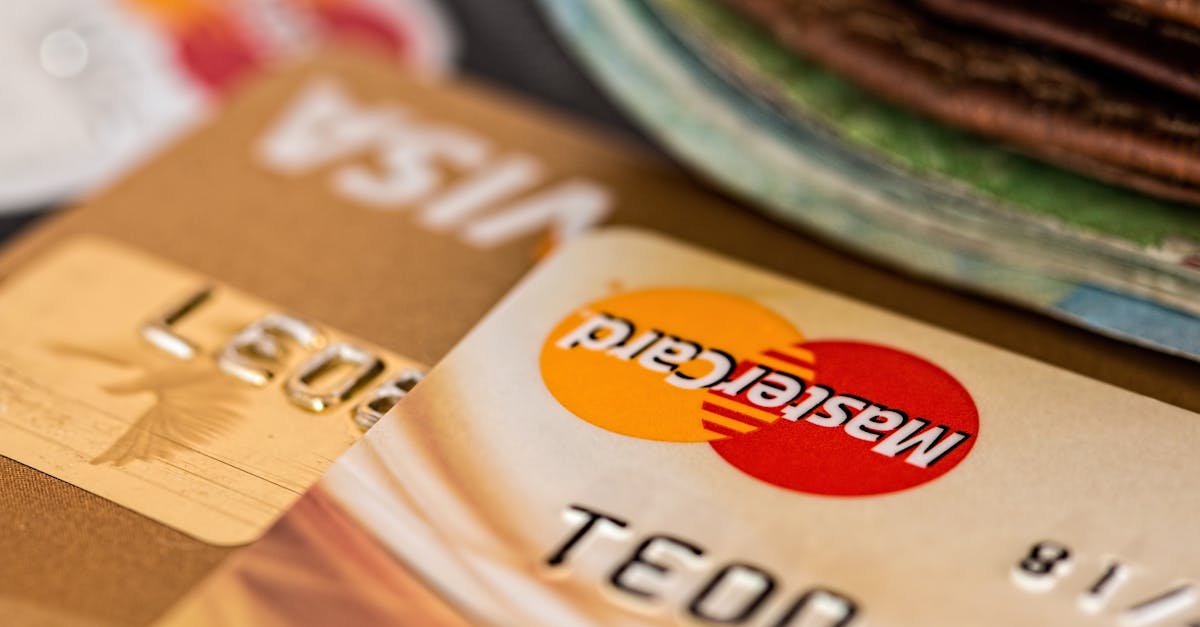
Picture this: you stroll through the supermarket, cart full of staples, and the checkout line tells you you’ve just saved the price of a weekend getaway. That’s not a fantasy - it’s the power of a well-chosen grocery-rewards card. In 2024, a handful of cards can turn routine spending into a steady stream of cash-back or travel points, all while keeping your family’s budget on track.
Why Grocery Rewards Matter for the Average Family
For a typical two-adult household, the USDA reports an average grocery bill of about $9,600 per year. That translates to roughly $800 a month on food, a line item that eats up a sizable chunk of any budget.
When you pair that spend with a cash-back card that returns 3% on groceries, you get $288 back annually - essentially a free grocery budget boost that can cover a weekend outing or a few extra gallons of gas. Even a modest 1% return adds $96, enough to refill a pantry.
Beyond the raw dollars, rewards cards also teach disciplined spending: you only earn when you purchase, and the cash-back shows up as a statement credit, reducing the balance you actually pay.
Key Takeaways
- Average U.S. family spends $9,600 a year on groceries (USDA).
- 3% cash back on that spend returns $288 annually.
- Even low-rate cards can shave $50-$100 off your food budget.
Card #1: The No-Annual-Fee Supermarket Stacker
If you like the idea of a “set-and-forget” card that never asks for a yearly payment, the Blue Cash Everyday® Card from American Express fits the bill perfectly. It’s designed for everyday shoppers who want steady, predictable rewards without worrying about fee math.
The Blue Cash Everyday® Card from American Express delivers a flat 3% cash back on grocery purchases at U.S. supermarkets, no annual fee, and a 1% return on all other eligible spend.
Assuming the $9,600 grocery spend, you’d earn $288 in cash back each year. If you also spend $5,000 on other categories (gas, dining, online shopping) you’d pick up an additional $50, bringing the total to $338.
Tip: Set up automatic payments for your credit-card bill to avoid interest, because the cash-back only counts when the balance is paid in full each month.
Because there’s no fee, this card shines for families whose grocery spend hovers around the national average. It also works as a secondary “catch-all” card for any non-bonus purchases, keeping your primary travel-points card free for larger expenses.
Card #2: The Tiered-Points Family Favorite
Travel-savvy families love the American Express® Gold Card for its generous points structure. While the annual fee may raise eyebrows, the card’s grocery and dining multipliers can quickly offset that cost if you’re strategic.
The American Express® Gold Card offers 4 Membership Rewards® points per dollar on U.S. supermarket purchases up to $25,000 per year, then 1 point per dollar thereafter. When you redeem points for travel through Amex, each point is worth roughly 1 cent, effectively a 4% return on groceries.
With the $9,600 annual grocery bill, you’d collect 38,400 points, equating to $384 in travel credit. If you also take advantage of the 4X points on dining (up to $120,000 per year), a family that spends $2,400 on restaurants earns another 9,600 points ($96).
Tip: Use the $120 annual dining credit (up to $10 per month) that comes with the card to offset the $250 annual fee, boosting your net return to roughly 4.5% on groceries.
Think of the Gold Card as a high-octane fuel for frequent flyers. When you pair the grocery points with the dining credit and occasional travel redemptions, the fee becomes a small toll on a highway of savings.
Card #3: The Rotating-Category Cash-Back Champ
For families who enjoy a little seasonal excitement, the American Express® Blue Cash Preferred® Card turns grocery shopping into a quarterly treasure hunt. The card’s base rate is already generous, and the rotating 5% boost can make a noticeable dent in your bill.
The American Express® Blue Cash Preferred® Card provides a quarterly 5% cash back on grocery spend when the category is active, plus a base 6% on groceries up to $6,000 per year and 1% thereafter. The card carries a $95 annual fee.
For a family that activates the grocery bonus each quarter, the first $6,000 of grocery spend earns $360 (6%). The remaining $3,600 (if any) earns 1% ($36). After accounting for the $95 fee, net cash back is $301, still a solid return.
Tip: Mark your calendar for the quarterly activation deadline (usually the first day of each quarter). A simple phone reminder prevents you from missing the 5% boost.
Because the 5% boost only applies when the category is live, treat it like a seasonal sale at your favorite store - set a reminder, swing by the checkout, and let the extra cash back roll in.
Card #4: The Hybrid Rewards Card with Grocery Perks
If you love the flexibility of a no-fee card that still throws in a hefty sign-up bonus, the Chase Freedom Flex℠ is worth a second look. Its rotating categories often include groceries, and the flat-rate 2% on everything else makes it a versatile sidekick.
The Chase Freedom Flex℠ pairs a 5% rotating grocery bonus (when the category aligns) with a flat 2% cash back on all other purchases. It also offers a $200 sign-up bonus after $500 spend in the first three months.
Assuming you capture two quarters of the 5% grocery bonus (total $4,800) and the remaining $4,800 earns 1% (the base rate for Flex), you’d collect $240 + $48 = $288 in cash back. Adding the $200 sign-up bonus brings first-year earnings to $488, with no annual fee.
Tip: Use the card for recurring bills (utilities, streaming) to hit the $500 spend threshold quickly and lock in the sign-up bonus.
Because the card swaps categories every three months, think of it as a rotating “happy hour” for your pantry. Pair it with a no-fee 3% card for the months when groceries aren’t featured, and you’ll keep the cash flowing year-round.
Side-by-Side Comparison: Rates, Fees, and Real-World Savings
| Card | Grocery Rate | Annual Fee | Projected Grocery Earnings |
|---|---|---|---|
| Blue Cash Everyday (no fee) | 3% | $0 | $288 |
| Amex Gold (annual fee $250) | ~4% (points) | $250 | $384 (points) - $250 fee = $134 net |
| Blue Cash Preferred (fee $95) | 6% up to $6k, 1% thereafter | $95 | $396 - $95 = $301 net |
| Chase Freedom Flex (no fee) | 5% on active quarters, 1% otherwise | $0 | $288 + $200 bonus = $488 first year |
"A 3% cash-back card on a $9,600 grocery spend returns $288 - that’s the price of a small kitchen appliance.", USDA Food Expenditure Survey 2022
Bottom Line: Picking the Right Card for Your Family’s Cart
The optimal card hinges on three variables: how much you spend on groceries, how comfortable you are with an annual fee, and whether you value straight cash back or flexible travel points.
If your grocery bill hovers around the $9,600 mark and you prefer a fee-free experience, the Blue Cash Everyday card delivers a predictable 3% return with zero cost. Families that spend more than $12,000 a year and are willing to pay a fee for a higher rate should gravitate toward the Blue Cash Preferred, which nets over $300 after the $95 fee.
For point-collectors who travel often, the Amex Gold’s 4X points (effectively 4% cash equivalent) can be worthwhile, especially after you factor in the $120 dining credit that offsets part of the $250 fee. Finally, the Chase Freedom Flex shines for those who love quarterly activations and want a hefty sign-up bonus, delivering the highest first-year cash return.
Think of your card choice like picking the right grocery aisle: some shoppers stick to the staples aisle (no-fee, steady 3%); others venture into the premium aisle (points, fees) for the occasional gourmet treat. The key is matching the aisle to your family’s shopping habits.
Action Step: How to Get Started and Stack Your Savings
- Choose the card that matches your spend level. Use the table above to calculate net earnings after fees.
- Apply online. Most issuers approve within minutes if you have a credit score of 680+ and a stable income.
- Activate grocery bonuses. For rotating-category cards, set a calendar reminder on the first of each quarter.
- Pay the balance in full each month. This guarantees you keep 100% of the cash back without paying interest.
- Track rewards. Use a free spreadsheet or budgeting app to log grocery spend and cash-back earned; adjust your primary grocery card if another offers a higher quarterly rate.
Follow these steps, and you’ll watch your grocery receipts shrink while your savings grow - all without changing what’s in your cart.
Q: Do I need a good credit score to qualify for these grocery cards?
Most of the cards listed require a “good” to “excellent” credit score (typically 680 or higher). If your score is lower, you may still qualify for a basic cash-back card, but the reward rates and bonuses will be less generous.
Q: How quickly does cash back appear on my statement?
Cash back is typically posted at the end of each billing cycle. Some cards, like Amex, let you redeem points instantly for travel or statement credits.
Q: Can I use more than one grocery rewards card?
Yes. Stacking cards can maximize earnings: use a high-rate card for the first $6,000 of spend, then switch to a no-fee 3% card for the remainder.



