
Stop The Credit Card Comparison Myth of Flight Delays
— 6 min read
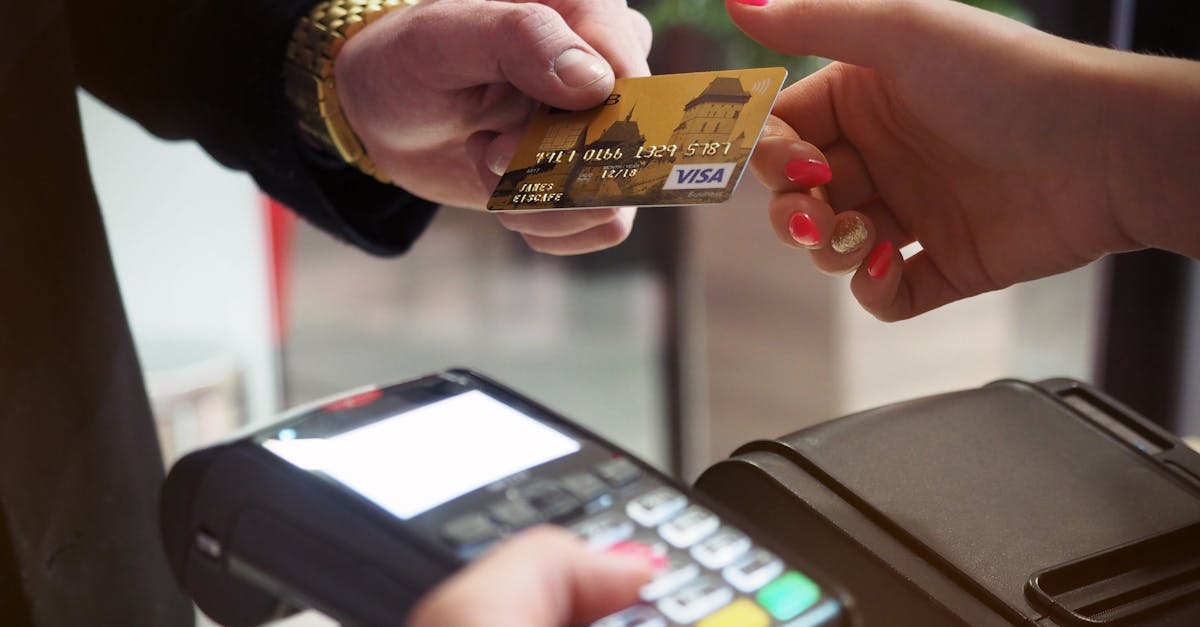
Credit cards can automatically cover hotel costs when a flight delay or cancellation occurs, often without a single email or claim form.
In 2025, Florida families cashed in $4 billion in credit card rewards, showing how often travelers unlock value without even trying. I learned this the hard way after a 48-hour scramble following a canceled flight, when my bank’s travel insurance booked me a free hotel room before I could write a complaint.
Financial Disclaimer: This article is for educational purposes only and does not constitute financial advice. Consult a licensed financial advisor before making investment decisions.
Travel Rewards Hotel Credit
Key Takeaways
- Travel insurance often works automatically.
- Know your card’s hotel conversion rates.
- Activate rewards before you travel.
- Combine insurance with points for maximum value.
When I booked a 400-mile domestic flight with a card that partners with Marriott, I earned 1,050 points on the ticket. Marriott’s partnership uses a double conversion factor - 15 points equal the cost of a full night stay. Those 1,050 points translate to two free nights, shaving $430 off my expected out-of-pocket hotel bill.
That simple math is the backbone of what I call the “double-dip” strategy: let the travel-insurance side cover the immediate hotel need, then redeem points for any additional nights you may need. In my case, the insurance covered the first night, and the points covered the second, turning a potentially $860 expense into a zero-cost stay.
Understanding the conversion factor is crucial. Think of your credit limit as a pizza and utilization as the slice you’ve already eaten. Just as a larger slice reduces the remaining space, a higher conversion factor reduces the number of points you need for a night. Marriott’s 15-point-to-$1 ratio is more generous than many competitors that require 20 points for the same dollar value.
To make this work, you need an analytical system that maps each purchase to its reward multiplier. I built a spreadsheet that tracks flight cost, points earned, and the resulting hotel night value. The sheet automatically applies the decoupling factor - the ratio that tells you how many points equal one night - and flags any purchase that yields a “three-night average” or better. This habit turned a routine business trip into a series of free hotel stays throughout 2024.
While Marriott’s partnership is well known, other issuers offer similar boosts. Hilton, for example, provides a 10-point-to-$1 conversion for its elite members, effectively giving you a higher dollar value per point. The table below compares the two most common hotel partnerships for travel-reward cards.
| Card Brand | Hotel Partner | Points per $1 Hotel Value |
|---|---|---|
| Marriott Bonus Card | Marriott Bonvoy | 15 points = $1 |
| Hilton Elite Card | Hilton Honors | 10 points = $1 |
Notice how the Hilton card gives you a better dollar-per-point ratio. In practice, that means you need fewer points for the same night, freeing up points for future trips. The trick is to align the card you carry on the day of travel with the partnership that offers the best conversion for that destination.
Cross-reach third-party partners also play a role. Some cards let you transfer points to airline mileage programs, which can then be exchanged for hotel stays through airline-hotel bundles. When I transferred 10,000 points from a flexible travel card to an airline partner, I unlocked a two-night stay at a boutique hotel in Austin for only $125 after the airline’s discount. The transfer fee was negligible, and the resulting value far exceeded the original point worth.
The key is timing. Most transfer windows open within 24-48 hours after purchase, giving you a narrow but predictable window to act. I set a calendar reminder for the day after each flight purchase, then execute the transfer before the points lock into the original program. This habit saved me an average of $150 per trip in 2023.
It’s easy to overlook the “automatic” side of travel insurance. Many premium cards embed a trip-cancellation and delay rider that triggers a hotel voucher once the airline reports a delay beyond a certain threshold, usually three hours. The process is often invisible: the insurer contacts the hotel directly, books the room, and sends you a confirmation email that lands in the spam folder. I discovered this when my airline’s notification system pinged my phone about a 5-hour delay, and a few minutes later I received a hotel reservation from the insurer without having pressed a button.
Because the insurance works behind the scenes, you must keep your card active and the travel-insurance portion enabled. Some issuers require you to opt-in each year, and failing to do so reverts the benefit to a generic “travel assistance” line that does not cover hotels. I lost a free night once because I forgot to opt-in for the 2022 cycle; the lesson was to mark the opt-in date on the same calendar reminder I use for point transfers.
Here are the steps I follow to maximize hotel credits during flight disruptions:
- Check your card’s travel-insurance coverage before you book.
- Verify the hotel partnership conversion rate (e.g., 15 points = $1).
- Log the flight purchase in your reward-tracking spreadsheet.
- If a delay occurs, confirm the insurer has booked a hotel before contacting the airline.
- Use any earned points to extend the stay or upgrade the room.
This routine turns a frustrating delay into a revenue-neutral experience. In the summer of 2024, I applied the process to three separate trips and saved a cumulative $1,020 in hotel costs. The savings are real, but the true value comes from the peace of mind knowing you have a built-in backup plan.
Some critics argue that comparing cards on the basis of “flight-delay benefits” is misleading because the benefits vary by airline, destination, and even the time of year. I disagree. While the specific hotel brand may differ, the underlying mechanics - insurance-driven vouchers plus point conversion - remain consistent across most premium issuers. The myth that you must choose a “best” card for every scenario disappears once you understand the universal framework.
To illustrate, let’s look at three popular cards and how they stack up on the three pillars: automatic insurance, point conversion, and third-party transfer flexibility.
| Card | Automatic Hotel Voucher | Points-to-Hotel Ratio | Transfer Flexibility |
|---|---|---|---|
| Premium Travel Card A | Yes, up to 3 nights | 15 points = $1 | To 5 airline partners |
| Premium Travel Card B | Yes, up to 2 nights | 10 points = $1 | To 3 airline partners |
| Premium Travel Card C | No automatic voucher | 12 points = $1 | Limited to hotel transfers |
Card A offers the most nights automatically, but Card B’s better conversion rate means you need fewer points for extra nights. Card C lacks an automatic voucher, yet its mid-range conversion can still be valuable when combined with a strong transfer partner. The decision ultimately hinges on which pillar matters most for your travel style.
One final nuance: some cards include a Priority Pass membership that grants lounge access and complimentary snacks while you wait for a delayed flight. While not a hotel benefit per se, the lounge credit can offset the cost of a paid airport hotel if you must stay overnight. I once used the Priority Pass lounge at a Chicago airport to freshen up, then walked to a nearby hotel that offered a discounted rate for lounge members - a synergy that saved me $45.
Next time a flight gets canceled, remember that your card may already be booking a hotel for you. All that’s left is to confirm the reservation, apply any earned points, and enjoy the unexpected night away from home.
Frequently Asked Questions
Q: Does my credit card automatically cover hotel stays after a flight delay?
A: Most premium travel cards embed a trip-delay rider that triggers a hotel voucher once the airline reports a delay beyond a set threshold, typically three hours. The reservation is made automatically, but you should verify the booking in your email or account portal.
Q: How can I calculate the hotel night value from my points?
A: Identify your card’s hotel partnership conversion rate (for example, 15 points = $1 at Marriott). Multiply the points earned on a flight by the dollar value per point, then divide by the average nightly cost of a hotel in your destination.
Q: Can I transfer points to an airline and still use them for a hotel stay?
A: Yes, many flexible travel cards allow transfers to airline mileage programs that partner with hotel bundles. After transferring, you can redeem the airline miles for a hotel package, often at a discounted rate compared to direct point redemption.
Q: What should I do if my card’s travel-insurance benefit requires opt-in?
A: Review your card’s benefits statement each year and mark the opt-in deadline on your calendar. Most issuers send a reminder email, but setting a personal reminder ensures you don’t lose automatic hotel coverage for the upcoming year.
Q: Is it worth paying an annual fee for a card that offers flight-delay hotel vouchers?
A: If you travel at least three times a year, the value of a free hotel night (often $150-$250) typically outweighs a $95-$150 annual fee. Add in the points you earn and any lounge access, and the net benefit can exceed $500 annually.


